Motocross Adventure Mountain Trails Steep Mountain Hill Climbs
Gear down, manage momentum, pick the line, and abort before a bad tip.
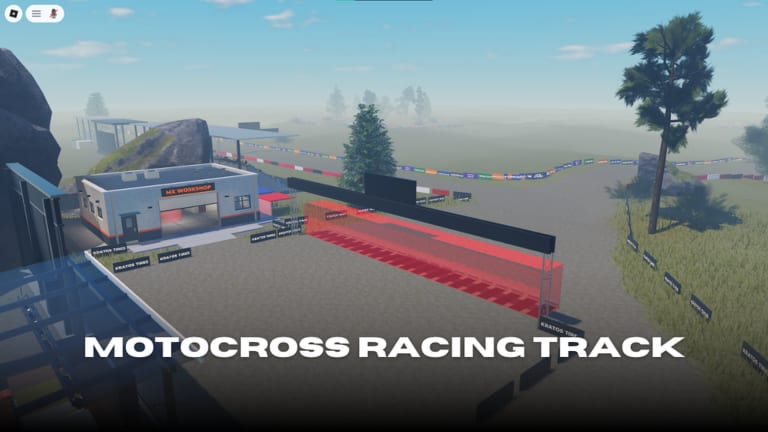
Steep mountain climbs are the headline challenge in Motocross Adventure: Mountain Trails. The experience sells challenging natural trails, extreme dirt paths, and controls that test skill and balance. Players often point to manual gear shifting as a make-or-break skill on grades. This guide covers gear choice, momentum, line selection, when to abort, and a practice progression that turns failed faces into consistent clears.
Warm up with Getting Started habits, keep Balance Tips in mind, and use Trails to classify the approach terrain before you pin anything.
What makes a climb fail
Most failed climbs share the same story: wrong gear at the base, full throttle when traction disappears, late steering into a worse line, and refusing to abort until the bike is sideways. Fix the story in that order. Fancy mid-air heroics rarely save a climb that was already lost at the first pitch change.
Gear choice on steep grades
Select a lower gear before the slope bites. Downshifting halfway up while already bogging or tipping is harder than arriving prepared. Lower gears give drive for crawling and for restarts after a small stumble. Higher gears on a steep face often mean the engine strains, the bike stalls forward progress, and balance collapses as speed dies.
If you bog: downshift (when safe) or restart lower with a shorter gear and softer throttle.
If you wheelie or spin immediately: you may be too low or too aggressive on throttle—or both. Soften power first; if the bike still snaps, try one gear taller and build speed more patiently.
Confirm gear-up and gear-down controls in on-screen prompts or settings—do not invent binds mid-climb. Details on control families live in Controls.
Momentum: enough to climb, not enough to lose the bike
Momentum is balance in the bank on a grade. Too little and the bike falls over as drive fades. Too much and you cannot correct line or settle the front. Carry entry speed that matches the face: a running start helps many climbs, but a blind sprint into a stepped wall just creates a bigger crash.
Modulate throttle to keep forward progress without constant wheelspin. When the rear breaks loose, ease a little, let it hook up, then feed power again. Chopping to zero can drop your momentum below the balance threshold; pinning through the spin often finishes the tip.
Line selection
Prefer the climbable line over the shortest line. A longer dirt ribbon with a steadier grade beats a vertical dirt wall with no run-out.
Read the face before you commit. Look for steps, ruts, shiny hardpack, and false flats. Pick a path where both wheels can track.
Avoid off-camber traps when you are already struggling with balance. Side-slope plus steep grade stacks two failure modes.
Leave space for aborts. A line with a side bench or reverse path is safer for learning than a chute with no exit.
Scout on foot or with a slow pass when the trail allows. One reconnaissance pass saves multiple tip-overs. Trails covers landmarking so you can find the same base approach again after a crash.
When to abort
Aborting is a skill. Abort when:
- Forward progress stops despite throttle and a low gear
- The bike leans past a small correction and keeps falling
- You are drifting into rocks or a ledge with no recovery patch
- Another rider occupies the only clean line and a collision would strand both of you
Abort by steering to a safer exit if one exists, rolling back when the grade allows, or accepting a controlled tip on a recoverable patch instead of fighting into a worse angle. Remount with a gear check and light throttle—see recovery habits in Balance Tips.
Ego aborts late; good riders abort early and clear the climb on the next clean attempt.
Practice progression
Stage 1 — Mild grades
Find a forgiving slope. Climb cleanly five times with progressive throttle and an intentional gear choice. No full-throttle heroics.
Stage 2 — Mild grade with a mid-face pause plan
Climb halfway, ease throttle, settle, then continue. Teaches composure when the bike gets light.
Stage 3 — Steeper face with a defined abort point
Mark a rock or bush as your abort marker. If you are unsettled before that marker, leave. Only continue when Stage 1–2 feel boring.
Stage 4 — Steep face, full clear focus
Same line, multiple attempts, change one variable at a time (gear, entry speed, or throttle shape). Do not change everything after every crash or you learn nothing.
Stage 5 — Chain segments
Link a climb into a singletrack bench into another climb only after each piece is reliable alone. Mixed chains are where exhausted riders tip.
Use the Practice Checklist to log warm-up, climb attempts, and cool-down so sessions stay honest.
Session template for a project climb
- Flat warm-up and one mild climb (Getting Started flow).
- Confirm gear binds and throttle feel (Controls).
- Scout the project face; pick line and abort marker (Trails).
- Three focused attempts max before a reset break—quality over spam.
- After tip-overs, run a quick balance recovery drill (Balance Tips).
- End on a successful mild climb so the session closes with a win.
Mindset that clears mountains
Steep climbs in Motocross Adventure reward patience, gear discipline, and early decisions. The mountain does not care how many visits the place has or how fast the rider ahead cleared it. Your line, your gear, your throttle shape, and your abort timing decide the run.
When patches change physics or routes, re-verify feels via Updates instead of forcing old habits into a new grade. Keep exploring, keep logging what failed, and promote yourself to harder faces only when the current stage is consistent.
Downshift early. Feed throttle with intent. Pick the rideable line. Abort without shame. That is how steep mountain climbs start falling in your favor.
Frequently Asked Questions
Quick answers for Motocross Adventure: Mountain Trails riders.
What gear should I use for steep climbs?
Generally a lower gear selected before the grade steepens. If you bog, you are likely too tall; if you instantly wheelie or spin, soften throttle and consider whether a slightly taller gear plus patience works better.
Should I always take a fast run-up?
A measured run-up helps many faces, but blind sprinting into steps or off-camber walls just makes bigger crashes. Match entry speed to the line you can still correct.
When is the right time to abort a climb?
Abort when progress dies, balance passes a small correction, or you are drifting into an unrecoverable edge. Early aborts beat late tip-overs into worse restart angles.
How do I practice without rage-spamming the same wall?
Follow a staged progression: mild grades, composure drills, then steeper faces with a defined abort marker. Change one variable per attempt and log sessions with the Practice Checklist.
Which pages support hill-climb training?
Use Trails for terrain reading, Balance Tips for tip recovery, Controls for gears and throttle, and Getting Started for warm-up structure.