Motocross Adventure Mountain Trails Balance & Physics Tips
Keep the bike upright with weight, throttle discipline, and calm recoveries.
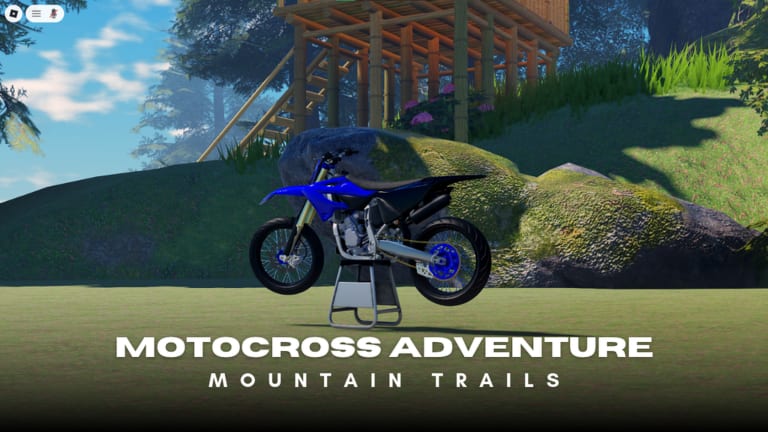
Balance is the quiet skill behind every Motocross Adventure: Mountain Trails session. Steep climbs and dirt singletrack punish riders who treat the bike like an on-rails racer. The experience advertises realistic-but-fun controls that test skill and equilibrium; player chatter often pairs that challenge with manual gears and throttle mistakes. This page focuses on weight, throttle as a balance tool, landings, tip-over recovery, and practice loops you can repeat near safe ground.
Read it alongside Controls for input families and Trails for where to train. When a climb keeps dumping you despite decent balance, open Hill Climbs for gear and momentum tactics.
Think in weight, not only in steering
Steering aims the bike; weight decides whether the tires stay useful. On an uphill, too much rearward pitch from aggressive throttle lightens the front and invites a loop or side tip. Too much forward pitch from panic braking on a descent can wash the front or pitch you over the bars. Your job is to keep enough load on the tire that still has work to do.
If the game exposes lean or rider-position controls, learn them on flat dirt first—confirm binds in on-screen prompts or settings rather than guessing. Even without flashy lean buttons, throttle, brake, and slope already move weight around. Treat every big input as a weight change, not just a speed change.
Throttle control is balance control
Pinned throttle is the most common beginner balance killer. On loose dirt it spins the rear; on a crest it lifts the front; on an off-camber shelf it finishes a tip that started as a small lean. Progressive throttle lets you feel the bike settle. When the rear starts to step out or the nose rises more than you planned, ease off slightly instead of chopping to zero and stalling the climb.
Climb rule of thumb: feed power in measured amounts that match traction. If you need maximum just to move, you are probably in the wrong gear—fix first, then revisit throttle. Gear habits are covered in Controls and Hill Climbs.
Flat and singletrack rule of thumb: smooth roll-on after corners beats abrupt spikes that unsettle the chassis mid-lean.
Landings and attitude in the air
Jumps and drops appear on mountain routes even when your goal is exploration, not a race podium. Unstable takeoffs create unstable landings. Keep the bike aligned with the landing slope as best you can. Avoid landing heavily sideways or with an extreme nose angle that the suspension and your balance cannot catch.
If you have mid-air correction controls, use small inputs. Large panicky leans in the air often make the landing worse. After landing, give the suspension a moment—do not instantly pin throttle on a compressed bike pointing uphill unless you already know the line.
Recovering from tip-overs
Tip-overs are part of learning Motocross Adventure. A good recovery is faster than a stubborn fight.
- Stop adding throttle the moment the bike is past saving.
- Let the crash finish enough that interact prompts are usable.
- Remount only when the bike is on a rideable patch—not hanging off a ledge if you can avoid it.
- Select a sensible gear before you roll; many riders remount in whatever tall gear they crashed in and bog immediately.
- Leave with light throttle until both wheels track cleanly.
- Reorient with landmarks from Trails before the next attempt.
If you tip three times in the same spot, change something: lower gear, softer throttle, different line, or a full abort to an easier practice bench. Repeating the identical mistake is not practice—it is a loop.
Practice loops that actually improve balance
Loop A — Flat stability (five minutes)
Ride a wide open bench. Accelerate and brake in a straight line without tipping. Add gentle S-curves. Goal: no tip-overs, no full-throttle spikes.
Loop B — Intentional recovery (five minutes)
On flat dirt, tip the bike on purpose at low speed, remount, gear check, roll away. Repeat until remounts feel boring. Boring means automatic.
Loop C — Mild grade balance (ten minutes)
Pick a forgiving slope from Trails guidance. Climb with partial throttle. If balance fails, abort early and reset. Count clean climbs, not heroic near-misses.
Loop D — Singletrack calm (ten minutes)
Ride a narrow dirt path focusing on early steering and brake-before-turn. Balance often fails when riders steer late and then overcorrect.
Log these loops in the Practice Checklist so sessions stay structured. Warm-up on Loop A before any serious Hill Climbs attempt.
Micro-corrections beat panic corrections
Balance problems start small. A one-degree lean you ignore becomes a fall. Check in early with tiny steer or lean inputs. Waiting until the horizon tilts forces a huge correction that often flips you the other way. This is especially true on steep faces where gravity amplifies every mistake.
Train yourself to notice the first hint of tip. Pause throttle a hair, correct, then continue. That rhythm—sense, ease, correct, continue—is the core physics habit Motocross Adventure rewards.
Linking balance to the rest of your skill stack
- Inputs unclear → Controls
- Route choice unclear → Trails
- Climb-specific failures → Hill Climbs
- Brand-new to the place → Getting Started
- Session structure → Tools and Practice Checklist
Balance is not a separate mini-game. It is the result of throttle discipline, gear choice, line selection, and calm recoveries working together on mountain dirt. Improve those pieces and the bike starts to feel planted instead of constantly on the edge of a tip.
Stay patient. One clean mild climb with perfect throttle teaches more than ten chaotic full-throttle failures on the steepest wall you can find.
Frequently Asked Questions
Quick answers for Motocross Adventure: Mountain Trails riders.
Why does full throttle ruin balance so often?
It shifts weight rearward, can spin the rear on dirt, and lifts the front on crests or climbs. Progressive throttle keeps tires loaded so small corrections still work.
What should I do the moment I start tipping?
Ease throttle and apply a small early correction. If the bike is already past saving, stop fighting, crash cleanly, remount on safe ground, and reset gear before rolling.
How do I practice balance without failing hard climbs?
Use flat stability loops, intentional low-speed tip recoveries, and mild grades before steep faces. Structure sessions with the Practice Checklist.
Do lean controls exist?
Check in-game prompts and settings for lean or rider-position binds on your device. Even without dedicated lean keys, throttle, brake, and slope still move weight—train those first.
Which guide helps if I only tip on steep hills?
Combine this page with Hill Climbs for gear, momentum, and abort timing, and Controls if shifts or throttle binds still feel unclear.